
Vietnam has a growing surf scene with several well-known and lesser-known breaks along its 3,200 km coastline. The best Vietnam surf spots include Da Nang (My Khe Beach), Mui Ne, Phan Thiet, An Bang Beach, and the Cham Islands. Surfing is most consistent from September to January in central Vietnam and November to April in the south. Most waves are beginner to intermediate friendly, making Vietnam a good choice for relaxed surf trips without heavy crowds.
If you’re planning to surf in Vietnam, here’s what you should know before paddling out.
1. My Khe Beach, Da Nang
My Khe is the most popular among all Vietnam surf spots and the easiest place to start.
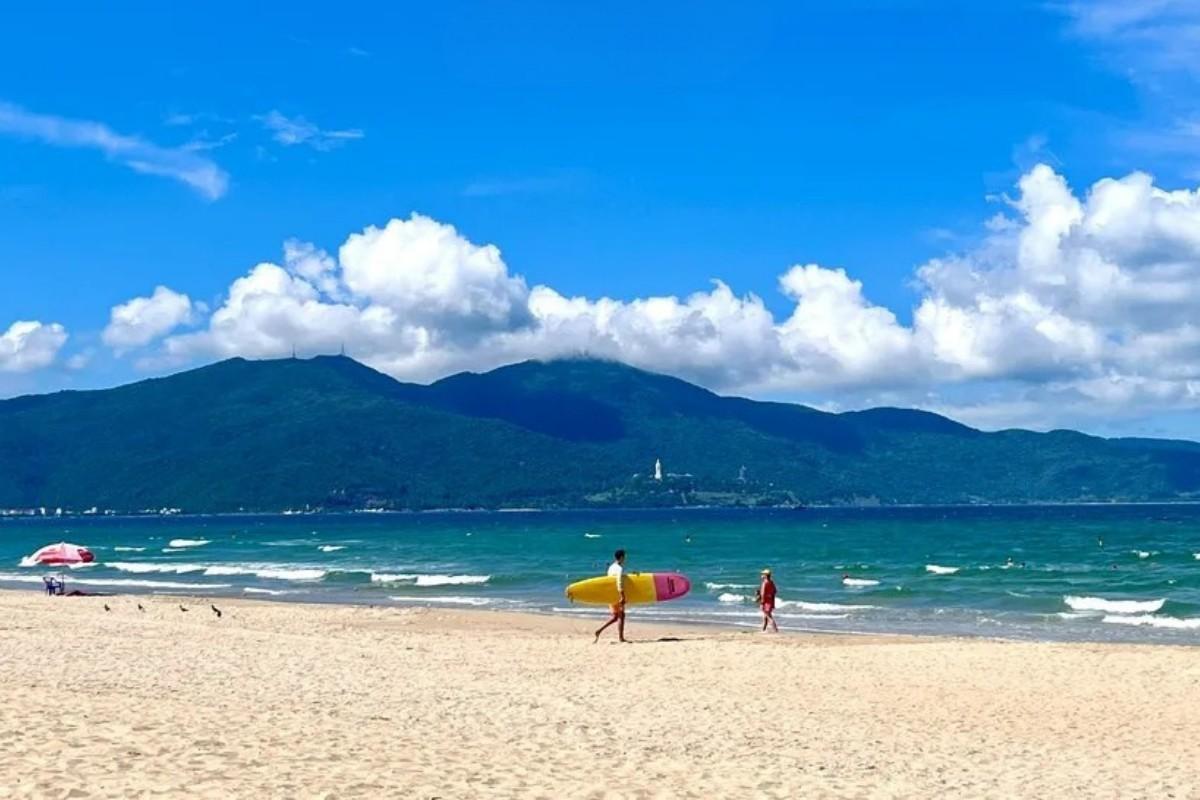 My Khe Beach is one of the most reliable and iconic surfing spots in Vietnam
The beach is long and open, with consistent beach breaks during surf season (September to January). Waves usually sit around 1-2 meters, which is manageable for beginners.
There are several surf schools along the beach, and lessons are affordable. Early mornings and late afternoons tend to have better conditions, especially when the wind drops.
If it’s your first time surfing in Vietnam, this is where most people begin.
2. Mui Ne
Mui Ne is better known for kitesurfing, but it still ranks among notable Vietnam surf spots.
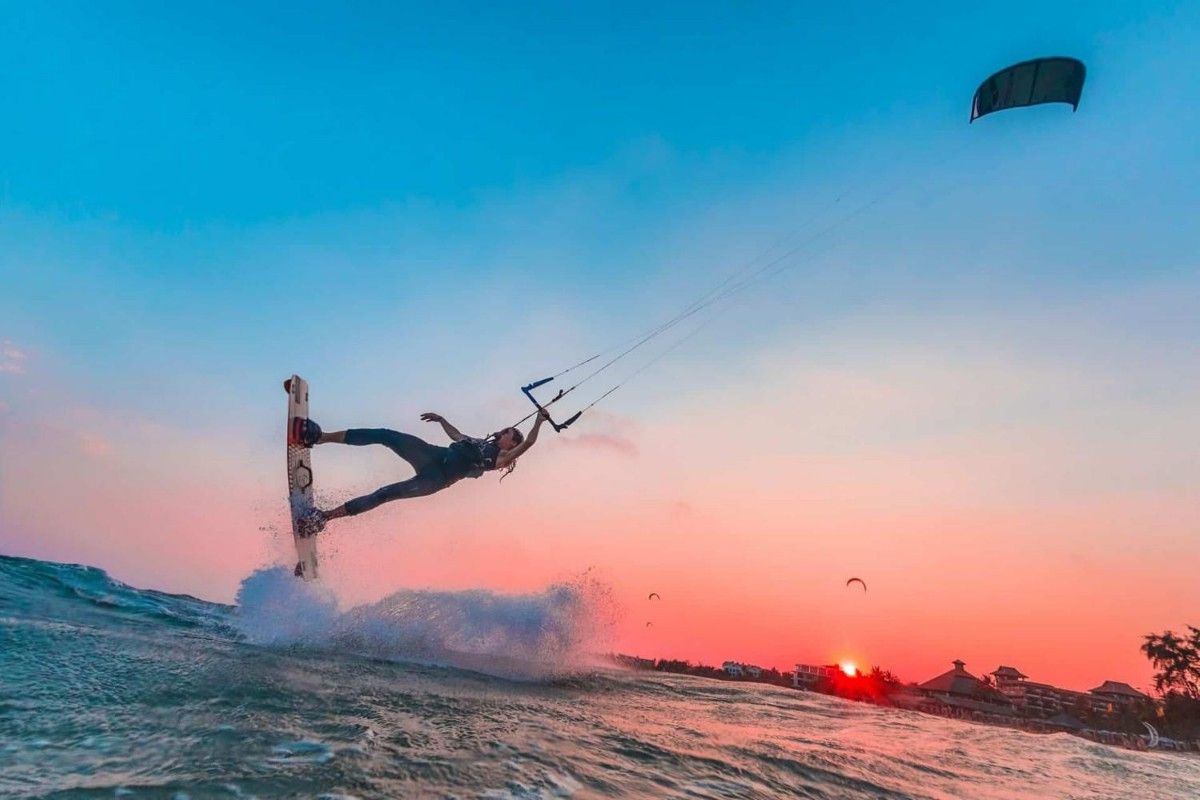 Mui Ne be famous for consistent wind and surf conditions, especially for kitesurfing
From November to February, the northeast wind creates short but punchy waves. These conditions are a bit more challenging than Da Nang, so it’s better suited for those who already know the basics.
One thing to watch out for: the water can get crowded with kiteboarders. It’s manageable, but you’ll need to stay aware of your surroundings.
3. Vung Tau (Back Beach)
As the primary surf destination in Southern Vietnam, Vung Tau’s Back Beach (Bai Sau) offers a vibrant atmosphere just a short trip from Ho Chi Minh City.
 Chasing the perfect weekend break at Vung Tau’s Back Beach
This expansive coastline is famous for its consistent wind-swells and powerful beach breaks, which are at their best during the winter monsoon from November to April.
The area boasts a well-developed surf infrastructure, featuring numerous rental shops and schools that cater to all skill levels. Whether you are an intermediate surfer looking for a challenge or a beginner enjoying the shallow waters, Vung Tau provides a lively, communal environment that makes it a must-visit spot on any Vietnamese surfing itinerary.
4. Bai Dai Beach, Nha Trang
Bai Dai Beach is one of the lesser-known Vietnam surf spots, located south of Nha Trang.
 Catching urban swells right in the heart of Nha Trang
The beach is long, open, and relatively undeveloped, which allows for cleaner wave conditions compared to more crowded destinations. Among emerging surf spots, Bai Dai can offer surprisingly consistent waves during the northeast monsoon season, making it suitable for beginners and intermediate surfers.
What makes Bai Dai stand out among Vietnam surf spots is the lack of crowds, you’ll often find large stretches of empty beach. There are still a few local surf rental spots and beach cafes, but overall it remains much quieter than Nha Trang.
5. Phu Quy Island (Binh Thuan)
For surfers seeking a raw and adventurous experience, Phu Quy Island is an exceptional alternative to the mainland.
 Seeking raw swells and untouched breaks on Phu Quy Island
Located 120km off the coast of Binh Thuan, this volcanic island is famous for its powerful reef breaks and crystal-clear waters. It attracts experienced surfers looking for more technical swells and a sense of isolation away from the usual tourist trails.
The peak season runs from November to April, driven by the strong Northeast monsoon. During this time, the island offers consistent, high-quality waves set against a stunning, rugged backdrop. If you are looking to combine high-performance surfing with true exploration, Phu Quy is Vietnam’s ultimate “off-the-beaten-path” gem.
When to Surf in Vietnam
Timing makes a big difference depending on where you go.
Central Vietnam (Da Nang, Hoi An): September to January. The best swell comes from the northeast monsoon, with October and November often being the most reliable months.
Southern Vietnam (Mui Ne, Phan Thiet): November to April. Wind conditions are more stable, making it easier to plan your sessions.
Avoid: May to August. These months are usually flat or affected by unfavorable wind.
What to Bring
Water temperature stays around 25–29°C, so you won’t need a wetsuit. A rash guard is enough for sun protection.
Board rentals are easy to find in Da Nang and Mui Ne, usually costing $5-10 USD per day. If you bring your own board, check airline policies in advance for extra fees.
Vietnam may not be the first name that comes up in global surf conversations, but that’s exactly what makes it appealing. The waves are approachable, the atmosphere is relaxed, and it’s easy to combine surfing with food, culture, and coastal travel.
If you want a smoother and more organized experience, Asiaplus Tour offers carefully designed Vietnam tour packages that can include beach destinations like Da Nang, Mui Ne, or Hoi An. This makes it easier to explore multiple surf-friendly locations without worrying too much about logistics.
For travelers looking to mix light adventure with cultural discovery, surfing in Vietnam is a simple and rewarding choice.