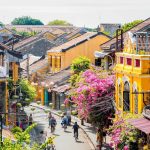
Northern Vietnam is a region of contrasts. Mountains and deltas. Cool mornings and humid afternoons. Quiet villages and chaotic cities. Choosing the best time to visit northern Vietnam matters more than many travelers expect, because weather here shapes everything from landscapes to daily life.
Let me explain how each season feels, what works best for different travel styles, and when northern Vietnam is truly at its best.
Seasonal breakdown
Northern Vietnam’s climate is complex because of its varied topography, from the high peaks of the Fansipan range to the flat coastal plains of the delta.
| Season | Months | Climate Characteristics | Vibe & Visuals |
| Spring | Feb – April | Cool, humid, and misty. | Peach blossoms and vibrant festivals. |
| Summer | May – Aug | Hot, rainy, and humid. | Lush green landscapes and thundering waterfalls. |
| Autumn | Sept – Nov | Cool, dry, and clear. | The “Golden Season” of rice harvests. |
| Winter | Dec – Jan | Cold, dry, and foggy. | Ethereal mountain mists and cozy street food. |
Spring (March to April): Fresh air and gentle light
Spring is often considered one of the best times to visit northern Vietnam. Temperatures sit comfortably between 18°C and 25°C. The air feels lighter after winter, and the landscape slowly turns green.
In Hanoi, spring mornings are cool and calm. Flowers appear along streets and around West Lake. In rural areas like Ninh Binh, rice fields begin their early growing cycle, creating soft shades of green.
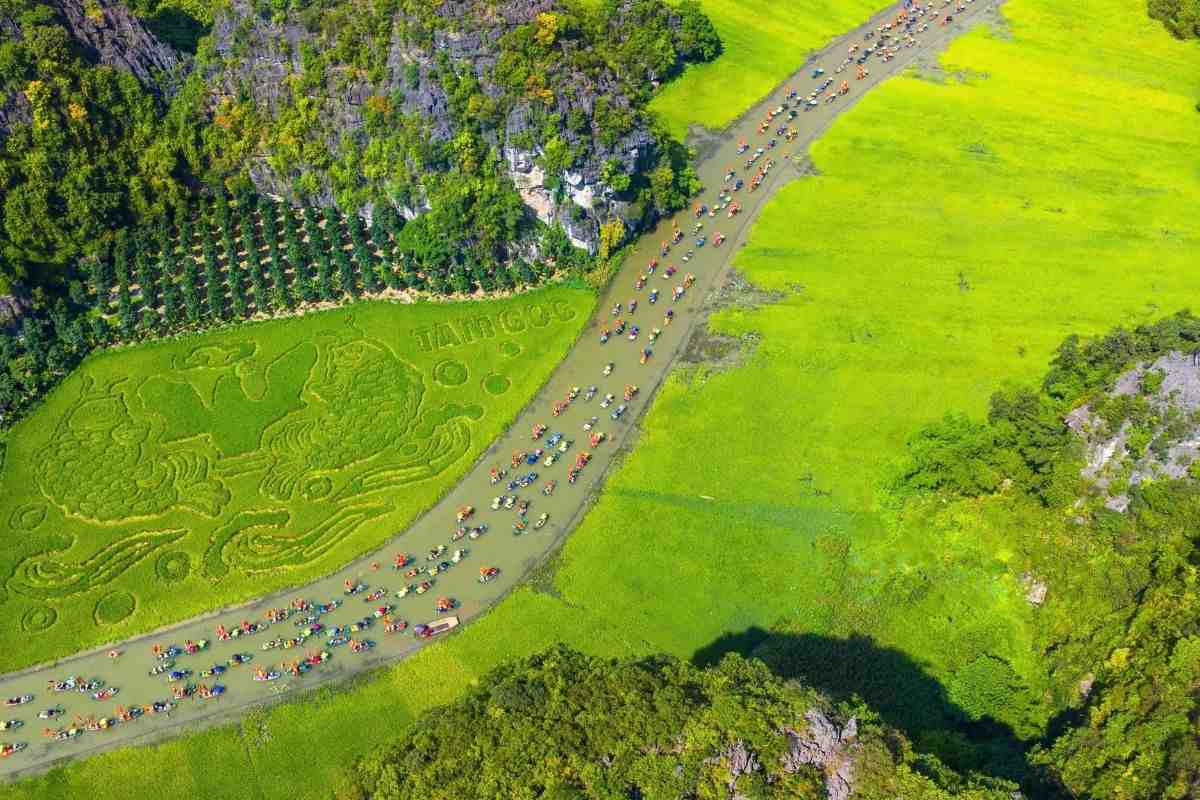
Green lush of Ninh Binh
This season is ideal for city exploration, light trekking, and cultural experiences. There is occasional drizzle, but it rarely disrupts travel. For travelers who want balance, spring delivers.
Summer (May to August): Lush landscapes but heavy heat
Summer in northern Vietnam is hot, humid, and wet. Temperatures often climb above 30°C, especially in Hanoi and the lowlands. Rain comes quickly and heavily, usually in the afternoon.
That said, summer is when the region looks its most vibrant. Rice terraces in Sapa and Mu Cang Chai are at their greenest. The waterfalls are full. Mountains feel alive.

Halong Bay in summer
This season suits travelers who prioritize scenery and do not mind heat or sudden rain. It is also a quieter time for tourism, meaning fewer crowds and better availability in some areas.
If you plan to visit Halong Bay in summer, check weather forecasts carefully. Storms can lead to cruise cancellations.
Autumn (September to November): The most popular choice
Autumn is widely seen as the best time to visit northern Vietnam, and for good reason. The weather becomes cooler, drier, and more stable. Daytime temperatures range from 20°C to 28°C.
September marks the rice harvest season in the north. Golden terraces cover the mountains of Sapa, Hoang Su Phi, and Mu Cang Chai. This is peak photography season.
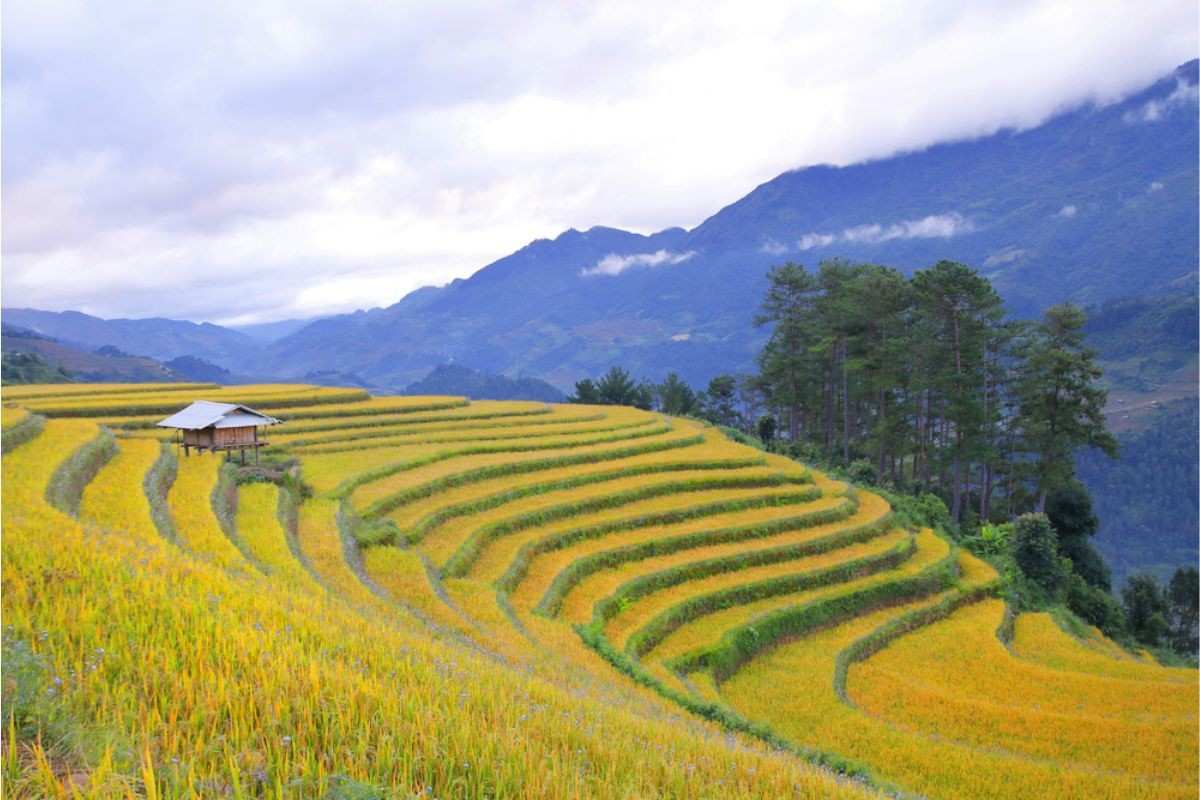
Golden terraces in Mu Cang Chai
In Hanoi, autumn brings clear skies and cooler evenings. Walking around the Old Quarter or Hoan Kiem Lake feels effortless. Cafes spill onto sidewalks, and the city slows just enough to be enjoyable.
Because conditions are ideal, autumn is also the busiest season. Booking accommodation and transport early is important.
Winter (December to February): Cool, quiet, and atmospheric
Winter in northern Vietnam surprises many travelers. Temperatures can drop to 10°C or lower, especially in mountainous areas. Sapa and Ha Giang may experience fog, frost, and occasionally snow.
Hanoi becomes cool and gray, with misty mornings and calm streets. While it is not beach weather, winter offers a very different kind of charm.

Winter vibe in Hanoi
This season works well for cultural travel, food-focused trips, and slow exploration. Fewer tourists mean more personal interactions and quieter landmarks.
If trekking is a priority, pack warm layers and be prepared for limited visibility in the mountains.
Best time based on travel style
- If you want comfortable weather and flexibility, spring and autumn are the best times to visit northern Vietnam.
- If photography and rice terraces are your focus, aim for September or early October.
- If you prefer fewer crowds and a slower pace, winter offers a more local feel.
- If lush nature matters most and heat does not bother you, summer can still be rewarding.
Choosing the best time to visit northern Vietnam is essential for a seamless trip. At Asiaplus Tours, we specialize in weather-smart itineraries that ensure you catch the golden harvests and avoid the storm surges. Let our local experts handle the logistics while you soak in the majestic beauty of the North.
Explore our curated Vietnam tours today!